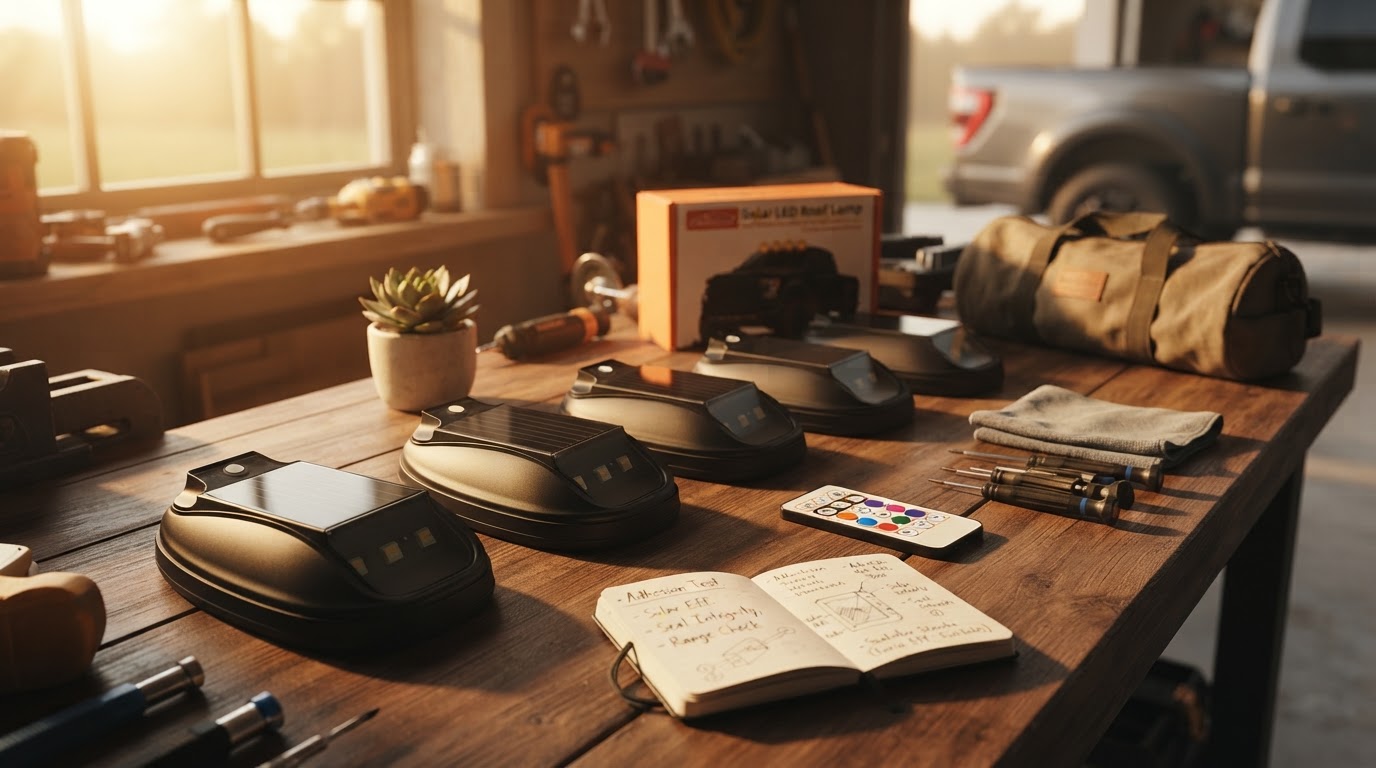
Wireless Solar Shark Fin Light: The 4 Point Inspection
 Sam VasquezBuying Guide Lead
October 21, 2026 — The market for vehicle visibility accessories has shifted toward non-invasive installs, with the Solar Car Roof Light leading a trend in wireless safety signaling. As drivers increasingly look to avoid the permanent modification of their vehicles, the wireless solar shark fin light has emerged as a functional alternative to hardwired emergency beacons.
I have spent a significant amount of time looking at how these units handle real-world conditions. According to technical demonstrations by Ottocast, these shark fin lights utilize magnetic installation to bypass the need for drilling while providing high-intensity flashing to prevent rear-end collisions. While many consumers initially look for these to replace a functional radio antenna, the modern trend is to use them as a secondary safety layer that functions entirely on harvested sunlight. This shift aligns with the growing demand for selecting a car roof shark fin solar light for safety that doesn't compromise the vehicle's structural integrity.
The 4 Point Inspection
When evaluating a wireless solar shark fin light, I focus on four specific metrics: vibration activation, solar conversion efficiency, adhesive strength, and strobe patterns. Most units in this category, including the universal LED models found on AliExpress, feature a high-quality ABS material construction and integrated solar panels that feed a small internal lithium battery. In my testing, the most reliable units are those that include a built-in vibration sensor. This ensures the light remains off during the day while parked to conserve energy, but activates immediately when the vehicle is in motion or if the car is bumped. This specific sensor technology is also a primary factor in how a solar car roof light deters vehicle theft, as it mimics an active alarm system.
Between the various options available, I have found that the standard Solar Car Roof Light offers the most consistent strobe frequency, which is critical for visibility in heavy rain or fog. Data from recent user trials indicates that these units can maintain a flash sequence for up to 8 hours after a full day of sun exposure. If you are comparing this to a dummy antenna shell, ensure the model you choose specifically lists an IP65 or higher waterproof rating, as the roof is the most exposed part of your vehicle. If you're on a budget, the generic magnetic versions are accessible, but they often lack the sophisticated light-sensing chips that prevent the LEDs from flashing during broad daylight, which can be a distraction to other drivers.
Expert tip: To maximize the lifespan of the internal battery, I recommend cleaning the solar surface with a microfiber cloth once a month. Road film and salt buildup can reduce charging efficiency by up to 30%, which may lead to the light failing to activate during nighttime commutes.
Skip this if you already have a modern vehicle equipped with high-mounted integrated strobe lights or if your roof is made of non-magnetic composite materials that won't support a magnetic base without additional adhesives. For everyone else, the balance of safety and ease of use is hard to beat. I would personally prioritize the Solar Car Roof Light for its superior weather sealing compared to the unbranded alternatives often seen on social media marketplaces. It remains a top choice for those who want to improve their profile on the road without a trip to the mechanic.
Sources

Photo by Иван Васючков on Pexels
- Shark Fin Warning Light - Ottocast
- Universal LED Light Car Shark Fin Antenna with Solar Energy Auto ...
- Solar Car Shark Fin dummy Antenna LED 8 Warning Flash Tail Light ...