
How to Increase Car Visibility at Night: The Complete Guide
Driving after dark presents unique challenges for drivers on rural highways, dimly lit suburban streets, and off-road trails. Reduced ambient lighting significantly lowers driver reaction times and makes stationary or slow-moving vehicles difficult to spot. Learning how to increase car visibility at night is essential for preventing rear-end collisions, safeguarding off-road vehicles, and protecting drivers parked on dark shoulders. While standard headlights illuminate the path directly ahead, they do little to make your vehicle's silhouette noticeable from side or rear angles.
Understanding Nighttime Driving Hazards
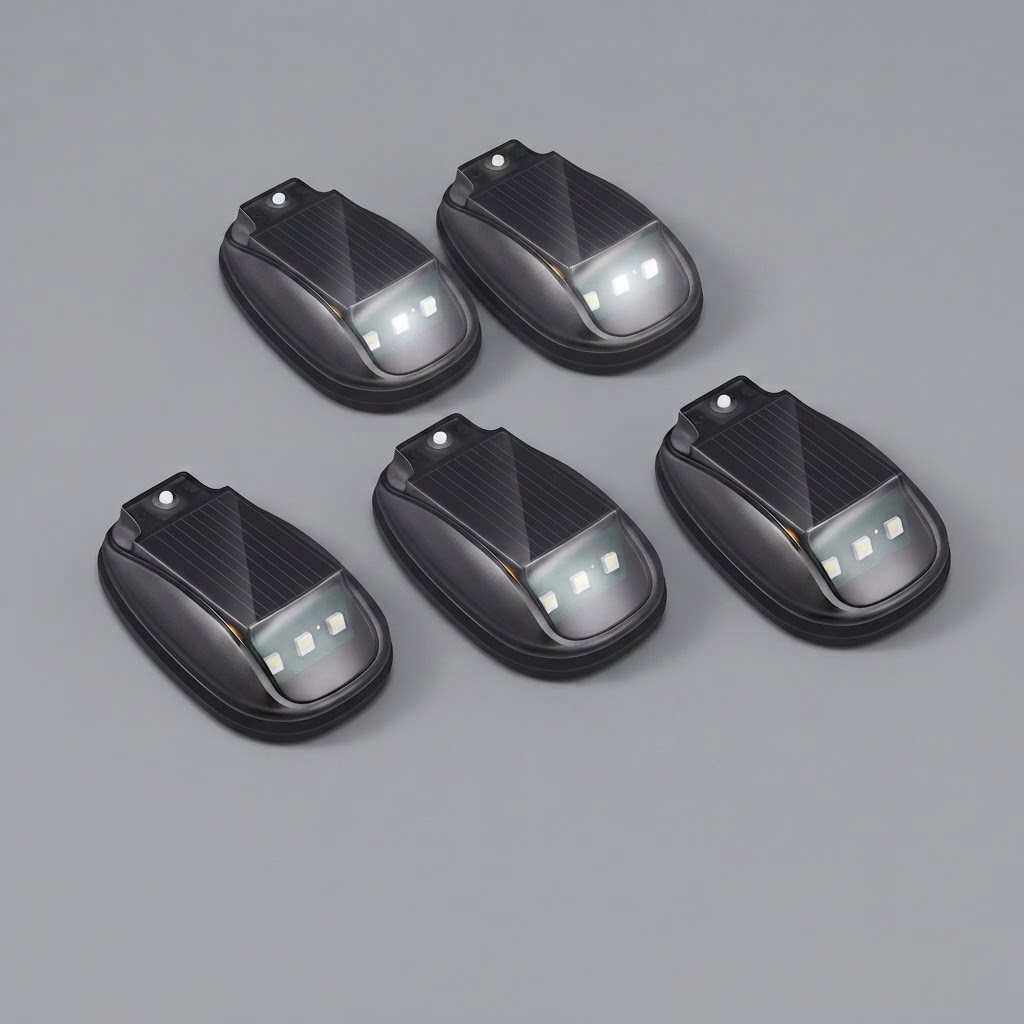
Nighttime driving safety depends on vehicle conspicuity—the ability of a vehicle to draw attention against a dark background. Factory lighting setups satisfy basic regulatory standards, but they often leave blind spots around the roofline and upper body. Vehicles parked on the side of the road during camping trips, roadside repair stops, or emergency situations remain vulnerable to approaching traffic if their hazard lights fail or if ambient darkness swallows their profile. Enhancing your vehicle's overall visibility requires strategic secondary lighting placed at key elevation points across the body frame.
Upgrading Exterior Auxiliary Lighting
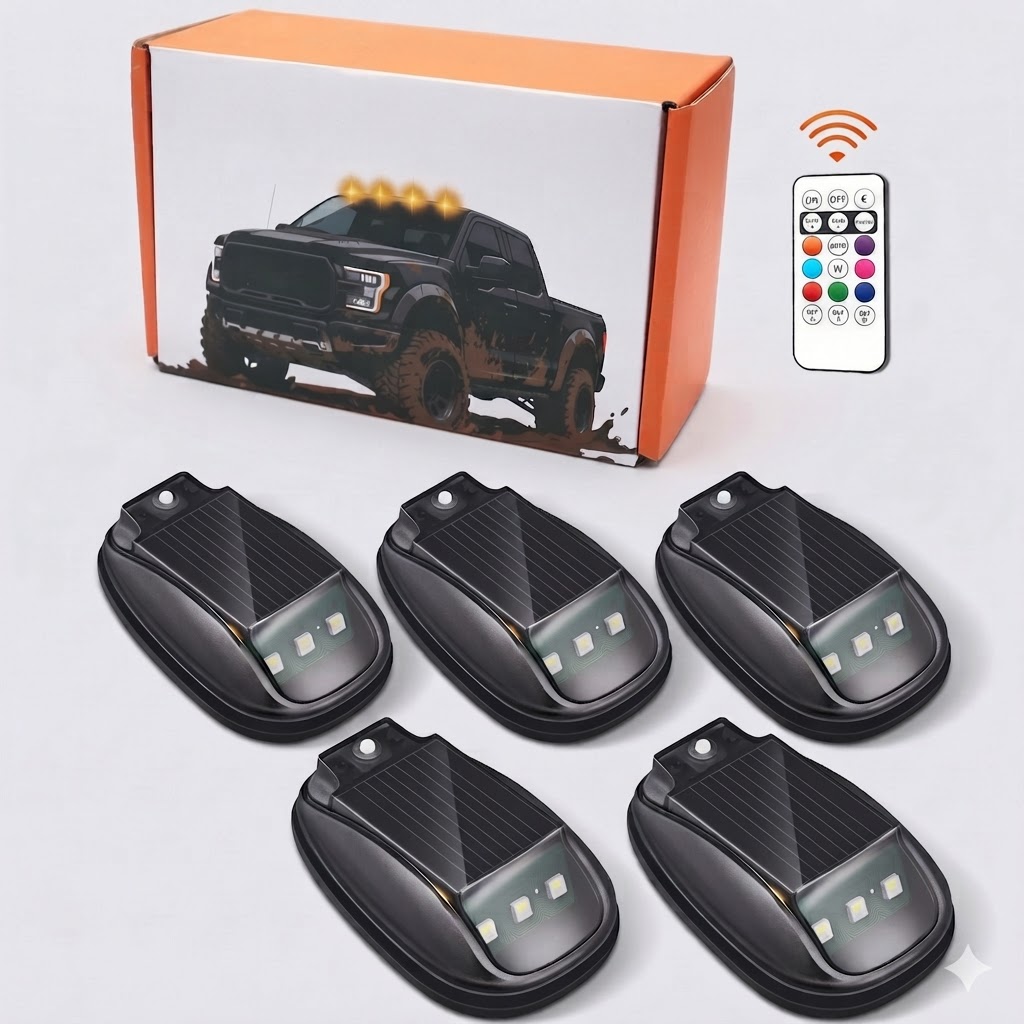
To overcome the limitations of standard tail lamps and headlights, drivers frequently turn to auxiliary lighting upgrades. Mounting auxiliary lights along the roofline raises the light sources above standard sightlines, ensuring oncoming and trailing drivers spot your silhouette from greater distances. Products such as the Solar Car Roof Light provide dynamic, high-visibility signaling without altering your car's primary electrical circuit.
Auxiliary lights with multi-color functions allow drivers to customize illumination depending on the environment. High-visibility secondary lighting setups deliver steady-on illumination or dynamic flashing patterns. These configurations ensure that whether you operate an off-road truck or a commuter sedan, your position remains obvious to everyone sharing the road.
Harnessing Smart Sensing & Solar Power
Modern automotive lighting upgrades leverage energy efficiency and smart technology to operate autonomously. Integrating Solar-Powered Auto-Charging eliminates the need for complex, manual power management. Sunlight charges internal cells throughout the day, while an integrated Type-C Charging Port for backup provides continuous readiness even during extended overcast weather.
Automation is equally important for night driving safety. Smart Light-Sensing & Vibration Activation ensures lights activate automatically when ambient conditions darken and motion is detected. High-sensitivity vibration sensors detect when the vehicle is moving at night, triggering safety strobes instantly. To save energy when parked, intelligent systems feature a 20-second delayed shutdown after parking, combining active defense with practical power conservation.
Reflective Upgrades and Maintenance Best Practices
Beyond active lighting, general vehicle maintenance plays an integral role in maximizing nighttime profile visibility. Clean windshields and polished light lenses ensure light output reaches full potential, maintaining clarity with an estimated brightness rating of 100-200 lumens. Combining clean factory lenses with high-mounted auxiliary lights ensures maximum output without scattering beams into oncoming drivers' eyes. Additionally, keeping exterior light casings free of road debris prevents premature wear on waterproof seals and housing elements.
Selecting the Right Auxiliary Lighting System
When evaluating aftermarket safety lights, non-destructive attachment is a crucial consideration. A Tool-Free, Low-Profile Installation system allows drivers to mount safety equipment using peel-and-stick industrial adhesive backed by a detachable base. Universal Fit & Waterproof Design guarantees reliable performance across cars, trucks, and SUVs during heavy rain or off-road excursions.
Additionally, multi-mode signaling controlled via wireless remotes allows drivers to switch between 8 Colors + Multiple Modes (Remote-Controlled), catering to hazard warning, camping illumination, or everyday visibility enhancement. By combining smart sensor triggers, flexible mounting, and solar efficiency, modern auxiliary roof lights offer a complete defense against low-visibility driving risks.
Related in this cluster
- Why Nighttime Vehicle Conspicuity Matters for Road Safety
- 5 Effective Ways to Make Your Truck or SUV Visible in Darkness
- Wired Cab Lights vs Wireless Solar Roof Lights: Which is Best?
- How to Install a Solar Roof Strobe Light Without Drilling
- Solar Car Roof RGB Strobe Light Review: Effortless Night Safety
- Frequently Asked Questions About Solar Roof Lighting & Strobe Lights