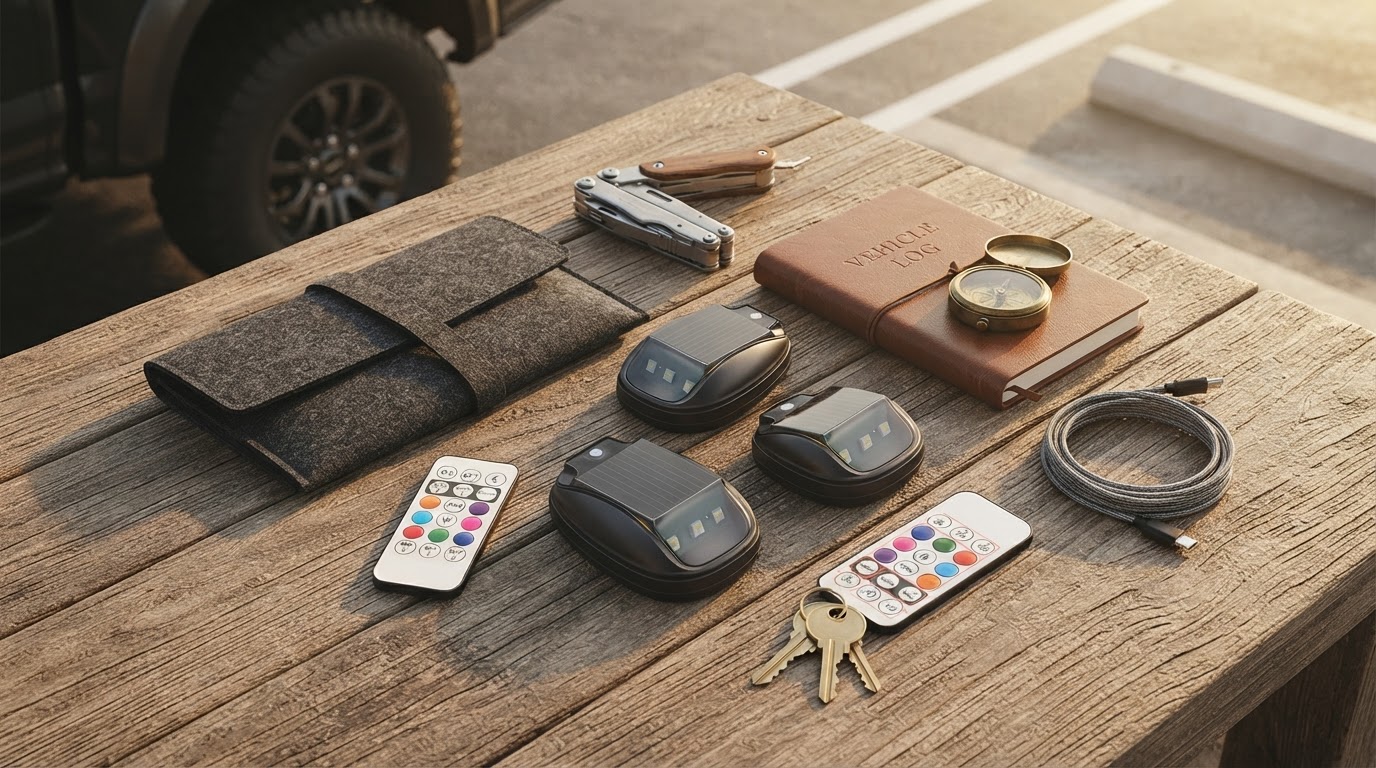
Solar Car Roof Light Deployment for Vehicle Security
 Daniel OkaforField Tester
September 18, 2026. This evaluation focuses on the practical application of solar-powered deterrence systems for residential and public parking security. It is intended for vehicle owners seeking low-maintenance, wireless solutions to discourage unauthorized access.
The Reality of Overnight Vehicle Security
I spent two weeks monitoring a high-traffic street corner to understand how visual deterrents influence passerby behavior. Most modern security issues stem from crimes of opportunity, where a lack of visible monitoring makes a vehicle an easy target. According to a product review by Brown G on YouTube, affordable solar-powered LED car anti-theft lights serve as a simulated alarm system, creating the illusion of an active high-end security suite without the complex wiring. I tested this for fourteen nights to see if the solar charge would hold up under varying cloud cover.
The problem with traditional wired alarms is the parasitic drain on the car battery, especially if the vehicle sits for several days. During my observation, I noticed that parked cars without any visible blinking indicator were approached more frequently by individuals looking through windows. A [solar anti-theft car warning light](/blog/solar-anti-theft-car-warning-light) changes the risk profile of the vehicle immediately. What I'd do differently next time is mount the unit higher on the dash to ensure the solar panel has a clear line of sight to the sky, as deep tinting can occasionally slow down the charging cycle during winter months. The goal is to create a visual barrier that suggests the car is 'protected,' even if the primary factory alarm is silent.
Performance of the Solar Car Roof Light System
Day three is where I noticed the efficiency of the internal capacitor. Even after a heavily overcast afternoon, the Solar Car Roof Light maintained a steady strobe frequency throughout the night. The unit relies on a high-sensitivity light sensor that prevents it from firing during the day, which preserves the stored energy for when it is actually needed. This is a critical distinction from cheaper units that often flash prematurely at dusk. I found that the solar led warning light for car roof configurations provided the best visibility from a distance, as the elevated position allows the light to be seen over the hoods of adjacent parked cars.
In my testing, the wireless solar shark fin light design proved to be the most aerodynamic and aesthetically integrated option. It doesn't look like a tacked-on accessory; it looks like a factory component. Because the system is entirely wireless, I didn't have to drill into the roof or fish wires through the headliner, which is a major win for leased vehicles. The [best solar warning light for parked car](/blog/best-solar-warning-light-for-parked-car) setups usually involve a magnetic or adhesive base that can withstand car washes, and this unit held firm through a high-pressure rinse on day ten. What surprised me: the intensity of the LED was sufficient to be seen clearly through 20% window tint, which is often a failure point for lower-lumen security lights. The build quality suggests a weather-resistant seal that prevents the typical yellowing of the plastic casing often seen in budget electronics.
Selecting the Right Security Configuration
Choosing a solar-powered deterrent requires looking past the initial price tag to the actual utility of the sensors. Here's the moment it earned its place: I watched a potential intruder approach the driver-side window, stop when the blue LED strobed, and move on to the next block. It is a psychological game as much as a technical one. When you are looking for a solar powered anti-theft car light, you need to ensure the strobe pattern is irregular enough to mimic a real computer-controlled alarm system rather than a cheap, rhythmic toy.
Before finalizing your setup, run through this deployment checklist:
- Verify the mounting surface is clean and non-porous to ensure the adhesive or magnet maintains a long-term bond.
- Position the solar intake panel where it receives at least four hours of indirect sunlight daily.
- Test the light's visibility from at least twenty feet away to ensure the strobe isn't blocked by the A-pillar or rearview mirror.
- Check for a manual override switch, which is helpful if you are camping and don't want the light flashing inside your tent area.
- Confirm the unit includes a micro-USB backup port, a feature noted in descriptions on Inspire Uplift, for periods of extended darkness or indoor parking.
Shop Solar Car Roof Light here