Solar Car Roof Light Deployment for Truck Visibility
 Priya RamanSenior Analyst
July 14, 2026. This analysis evaluates the deployment of wireless solar strobe systems for heavy-duty and commercial trucks. It is intended for fleet operators and individual truck owners seeking to enhance vehicle visibility without invasive electrical modifications. The decision to integrate these systems rests on a matrix of two primary axes: energy autonomy and structural integrity. By prioritizing units that require zero hardwiring, operators eliminate the risk of battery drain and electrical shorts common in traditional strobe installations.
The Challenge of Modern Truck Visibility

Photo by Tima Miroshnichenko on Pexels
Commercial and utility trucks frequently operate in high-risk environments where secondary lighting is mandatory for safety. However, the traditional approach to installing emergency beacons involves drilling through the vehicle chassis and tapping into the primary electrical loom. This process often voids manufacturer warranties and creates potential leak points in the roof. According to Amazon product data regarding wireless strobe lights for trucks, the shift toward solar-powered LED units is driven by the need for high-efficiency warning systems that offer both solar and USB charging options to ensure functionality regardless of weather conditions. Think of it as a matrix of operational uptime versus installation complexity. When a truck is stationary at a job site or parked on a shoulder, the demand for visibility is highest, yet the engine may be off to conserve fuel.
Standard lighting systems draw directly from the vehicle's lead-acid battery, which can lead to discharge issues during long shifts. This is why many operators are transitioning to an emergency solar beacon for vehicles to provide a localized, independent power source. The integration of light sensor systems allows these units to remain dormant during peak daylight and activate automatically as ambient light levels drop. This automation removes the human error factor, ensuring that a best solar warning light for parked car logic applies equally to larger logistics platforms. The use of high-intensity LEDs ensures that the strobe remains visible from significant distances, providing the necessary lead time for approaching traffic to react.
The Solar Car Roof Light Integration Framework
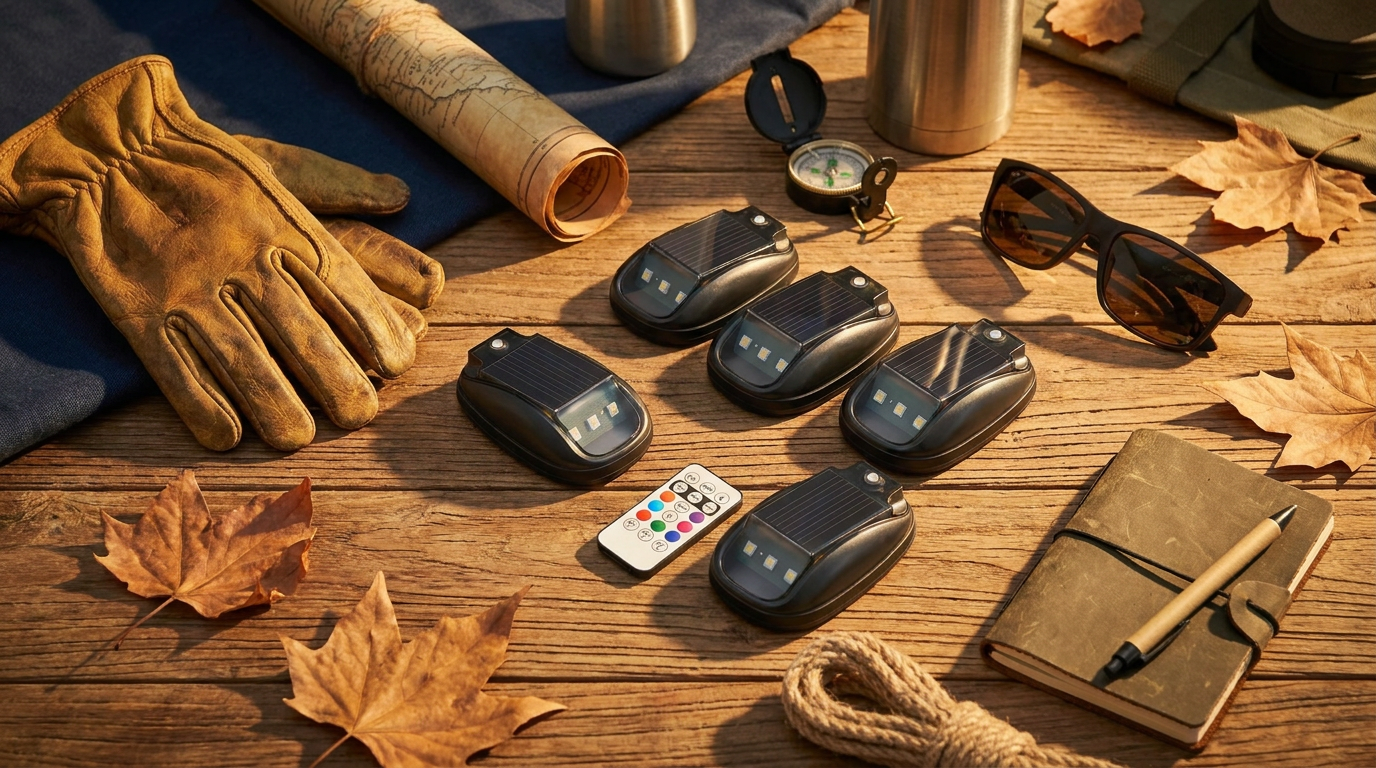
Solar Car Roof Light addresses the specific pain points of truck owners by utilizing a self-contained power ecosystem. The core technology relies on top-mounted photovoltaic panels that convert sunlight into stored energy within an internal lithium-ion battery. This design philosophy eliminates the need for external cabling, which is a significant advantage for trucks with specialized bodywork or non-standard cab configurations. As documented by an eBay listing for magnetic wireless car LED emergency lights, these systems often feature a built-in light sensor that triggers the strobe at night or in low-visibility environments, ensuring consistent safety without manual intervention.
For those requiring temporary placement, a magnetic solar strobe light for cars provides a versatile solution that can be moved between vehicles in a fleet. The Solar Car Roof Light system is designed to withstand the vibration and wind resistance encountered at highway speeds. Unlike temporary suction-cup mounts, the magnetic and adhesive foundations used in these wireless units provide a stable platform that does not compromise the vehicle's aerodynamics. Beyond simple strobing, these units can serve as a solar anti-theft car warning light or even a wireless solar shark fin light, providing a multi-functional security layer. The lack of drilling means the truck’s resale value is preserved, and the installation time is reduced from hours to minutes. Once you see it this way, the transition from wired to wireless solar lighting becomes a matter of operational efficiency rather than just a cosmetic choice. The system effectively turns the roof of the truck into a functional energy harvester that powers its own safety features.
Strategic Decision Rule for Strobe Selection
When selecting a wireless solar strobe light for a truck, the decision rule is based on the intersection of mount stability and charging reliability. Not all solar units are created equal; the quality of the solar cells determines how quickly the internal battery recovers after a night of operation. As demonstrated in a social media reel by NO drilling, NO wiring, high-quality wireless cab lights can be installed in under 20 minutes and rely on vibration sensors to activate, ensuring they only flash when the vehicle is in motion or experiencing specific environmental triggers. This prevents unnecessary energy expenditure when the truck is stored in a garage or under cover.
To ensure the chosen system meets professional standards, evaluate the following criteria:
- Verify the presence of a secondary USB charging port for rapid recovery during extended periods of overcast weather.
- Assess the magnet's pull strength or the adhesive's industrial grade to ensure stability at speeds exceeding 65 mph.
- Confirm the inclusion of an automated light sensor to prevent daytime battery drain.
- Select a unit with a high ingress protection (IP) rating to withstand high-pressure truck washes and heavy rain.
- Look for multi-mode flash patterns that comply with local Department of Transportation (DOT) regulations for emergency signaling.
Shop Solar Car Roof Light here