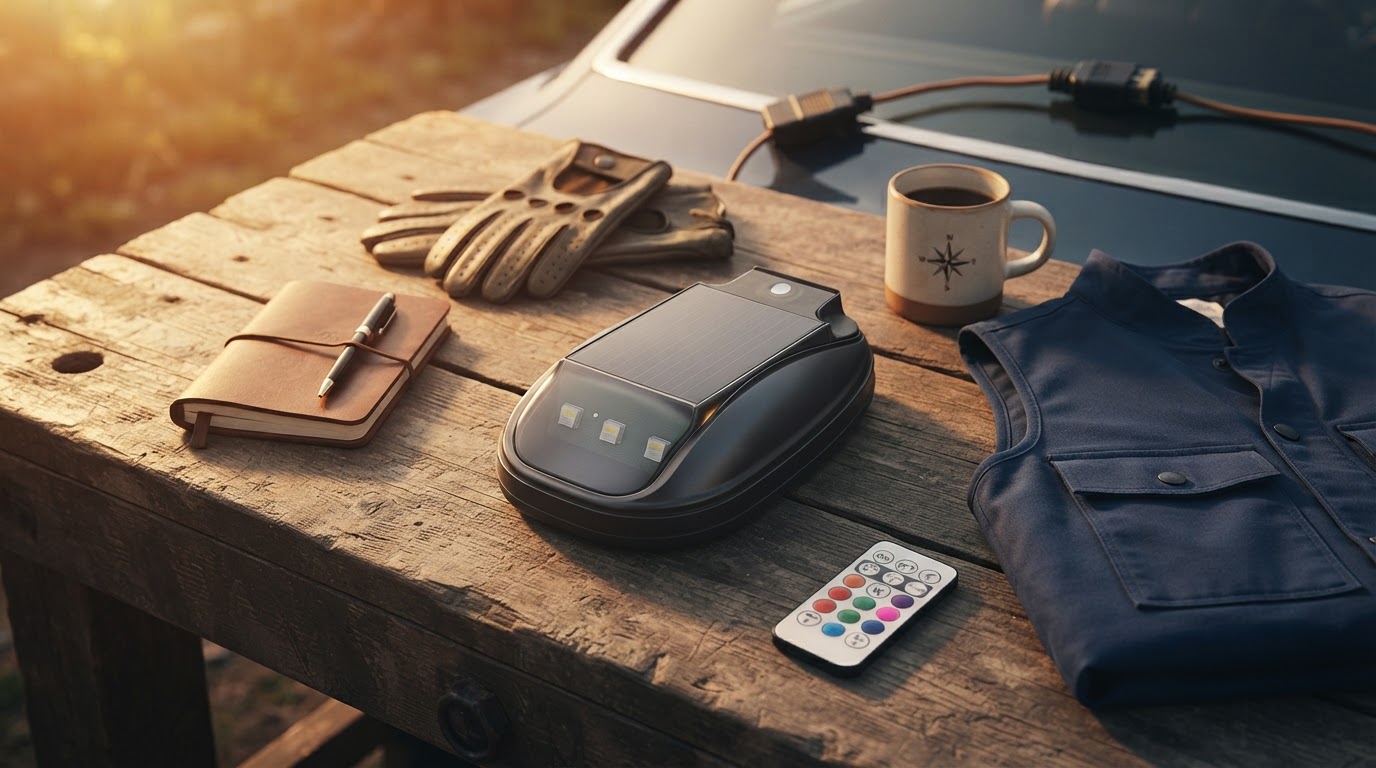
Solar Car Roof Light for Professional Taxi Visibility
 Daniel OkaforField Tester
August 10, 2026. This review examines the practical application of magnetic solar-powered signage for professional drivers. It is designed for independent operators and ride-share contractors seeking a cord-free alternative to traditional wired car toppers.
The Challenge of Temporary Vehicle Identification
I tested this for two weeks in a high-traffic urban environment where visibility is the difference between a successful pickup and a frustrated passenger. For many independent drivers, the primary obstacle isn't just being seen; it's the logistics of the hardware. Traditional wired taxi signs require running cables through window seals or drilling into the chassis, which compromises the vehicle's weatherproofing and resale value. According to Wholesale Magnetic Signs, standard durable taxi cab car toppers often rely on soft shoe magnets to secure the sign at speeds up to 55 MPH. However, when you add the complexity of power cables, the setup becomes cumbersome for someone who uses their personal vehicle for errands during the day and professional driving at night.
During my initial shifts, I noticed that cable-dependent lights were a constant point of failure. The wires would fray at the door jamb, and the constant plugging and unplugging into the 12V socket led to blown fuses. Furthermore, the lack of a wireless solar shark fin light for auxiliary signaling meant I was solely reliant on the main topper. I spent more time managing cords than focusing on the road. The shift toward magnetic solar solutions is driven by this need for a modular, non-destructive attachment method that doesn't sacrifice stability. For drivers who prioritize a clean aesthetic, a no-drill solar car roof light installation is no longer a luxury but a operational necessity to avoid long-term damage to the vehicle's roof and paint.
Performance of the Solar Car Roof Light System

Photo by Juan Diavanera on Pexels
What surprised me: the charging efficiency of the Solar Car Roof Light even on overcast afternoons. Day three is where I noticed that the internal battery reached a full charge by 2:00 PM despite intermittent cloud cover. This is critical because a taxi sign that dies halfway through a night shift is worse than having no sign at all. The integration of high-efficiency solar cells on the top surface of the unit eliminates the need for an external power source. When compared to basic units found through solar taxi sign suppliers listed on Alibaba, the build quality of a dedicated solar car roof light feels more substantial, specifically regarding the housing's UV resistance.
Here's the moment it earned its place: I was caught in a heavy summer downpour while traveling at approximately 50 MPH. The magnetic base, which utilizes a similar rubberized contact system to the 18-inch LED taxi roof signs sold on eBay, held firm without any lateral shifting. The waterproof seal around the solar panel prevented any moisture ingress, which is a common failure point in cheaper, non-branded alternatives. I also integrated a magnetic solar strobe light for cars on the rear deck to supplement the roof light during emergency stops. This combination created a 360-degree visibility profile without a single wire entering the cabin. The elimination of the 12V power draw also means less strain on the car’s alternator, which is a subtle but important benefit for high-mileage drivers. What I'd do differently is perhaps opt for a larger magnetic footprint if I were frequently driving on highways above 65 MPH, but for city speeds, the standard configuration is rock solid.
Criteria for Selecting a Magnetic Solar Topper

Photo by Athena Sandrini on Pexels
Selecting the right equipment requires balancing magnetic strength with solar capacity. If the magnets are too weak, the unit becomes a projectile; if the solar panel is too small, the light fails before the shift ends. It is important to look for units that utilize rubberized magnets to prevent scratching the clear coat on your roof. I have found that a wireless solar taxi light for car roof setup works best when the driver maintains a clean roof surface to maximize magnetic suction. You should also consider the flashing patterns available; while a steady glow is standard for identification, having an emergency strobe mode adds a layer of safety during breakdowns.
- Verify the magnet rating for your typical driving speeds (look for 55 MPH+ certification).
- Ensure the solar panel is made of monocrystalline silicon for better low-light charging.
- Check for an IP67 or higher waterproof rating to withstand automated car washes.
- Confirm the presence of a manual override switch for stealth driving.
- Look for rubberized bases to protect the vehicle's paint from micro-scratches.
- Assess the battery capacity to ensure at least 8 hours of continuous illumination.
Shop Solar Car Roof Light here