Overcoming Overlanding Power Strain with Solar Emergency Strobes
Overcoming Overlanding Power Strain with Solar Emergency Strobes
Problem: Dead Vehicle Batteries in Remote Campsites
Overland camping relies heavily on 12V electrical systems to power fridges, camp lights, comms, and water pumps. Running conventional hazard lights or hardwired auxiliary lights during an evening vehicle repair drains your starter battery, raising the risk of getting stranded far from cell service.
Agitation: The Danger of Stranded Rigs Without Light
Setting up camp in dark, unpredictable terrain without proper safety lighting increases risk for drivers and pedestrians. Finding your vehicle after a late night hike or alerting trail mates to a mechanical failure requires visible signaling. Relying on hand-held flashlights leaves you short-handed, while standard hazard lights run down your engine starter power within hours.
Solution: Self-Powered Solar Emergency Roof Lights
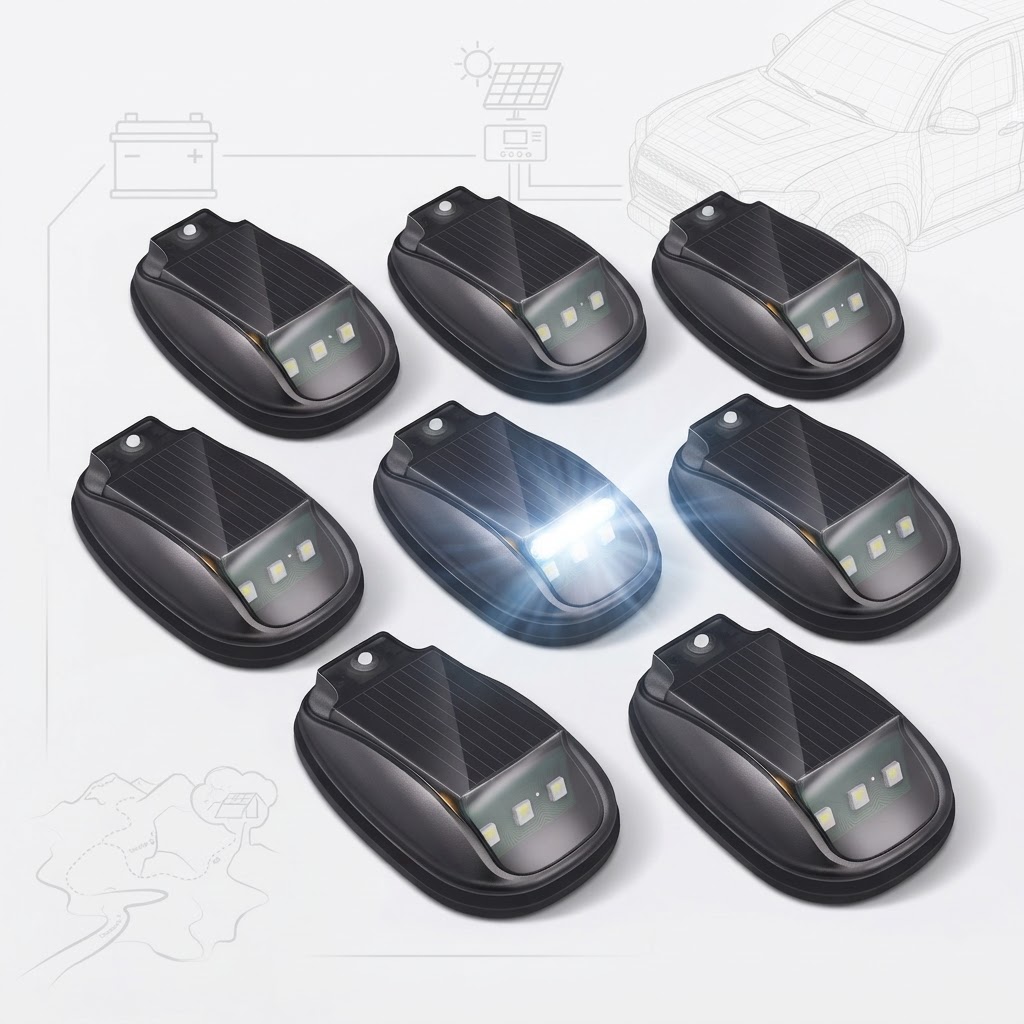
Using a solar powered cab light for emergency camping safety eliminates electrical strain entirely. Equipped with a built-in high-efficiency solar panel, these lights charge during daytime driving and deliver 8-12 hours of uninterrupted safety illumination.
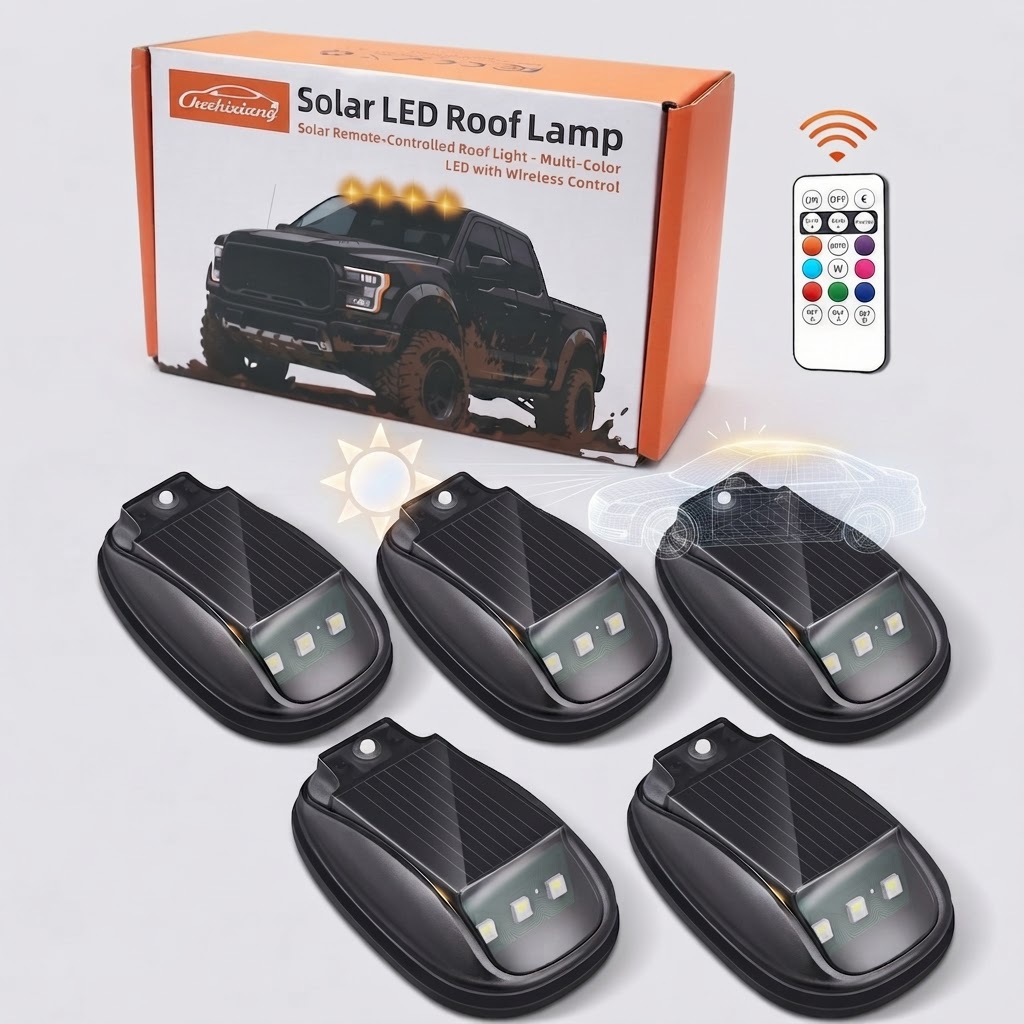
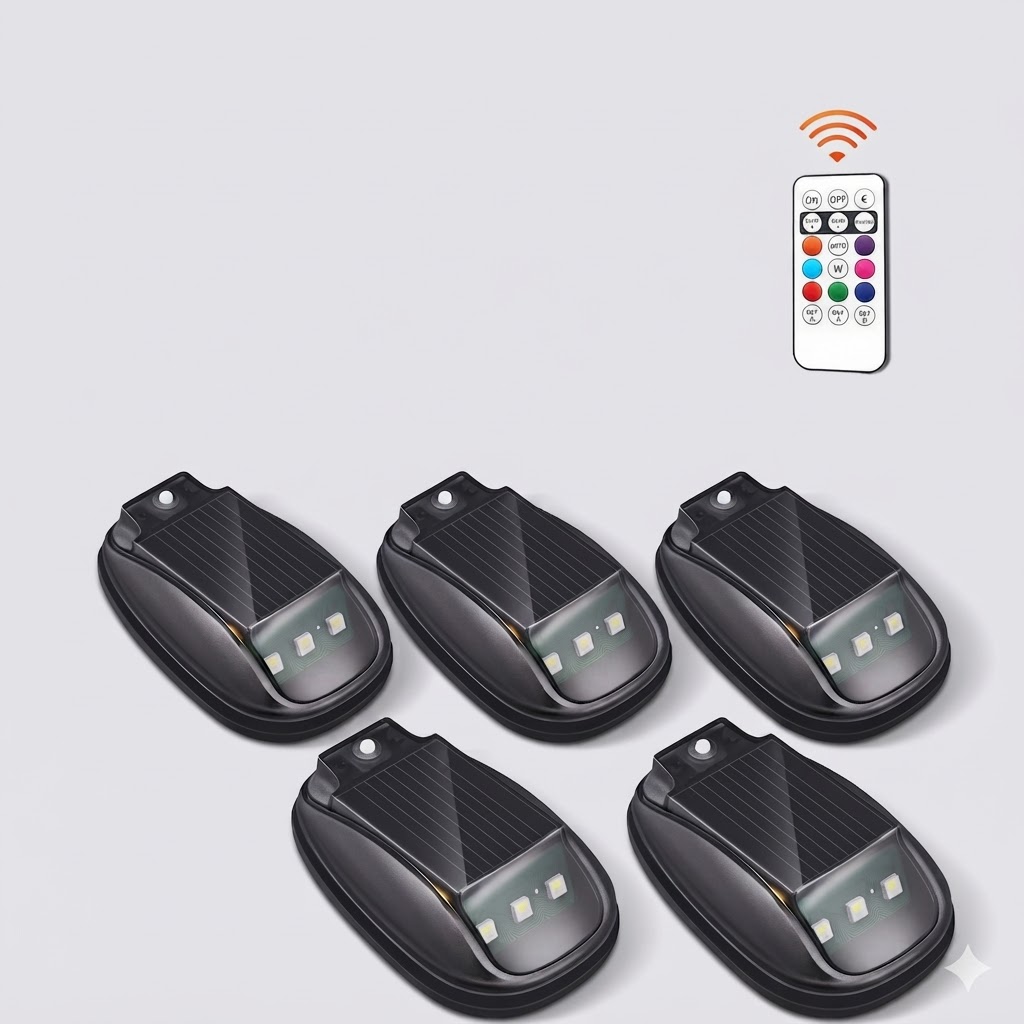
With 100-200 lumens of brightness across 8 RGB colors, you can signal for help using bright red strobes or illuminate your work space with steady white light using the wireless remote control. Smart vibration activation turns lights on when movement occurs, followed by a 20-second delayed shutdown to conserve energy.
As discussed in [the main guide], installing a waterproof, tool-free emergency strobe ensures zero-cost (0 USD) setup and total peace of mind on every expedition.
Read the full guide: Ultimate Guide to the Best Emergency Lighting for Off-Road Camping